Rewinding
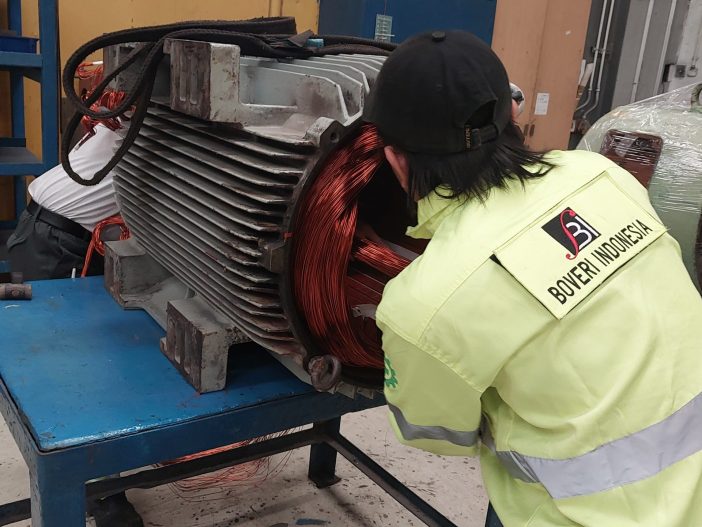
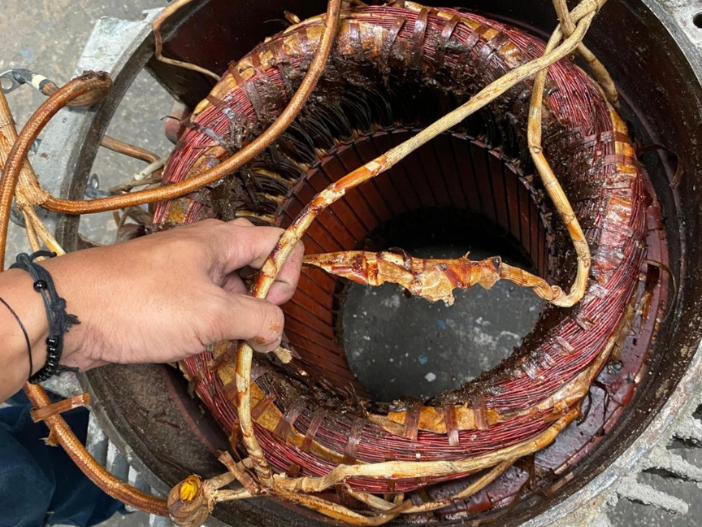
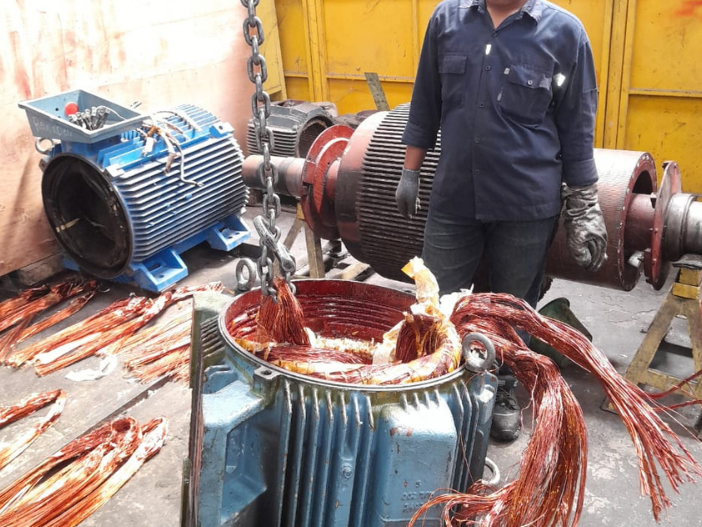
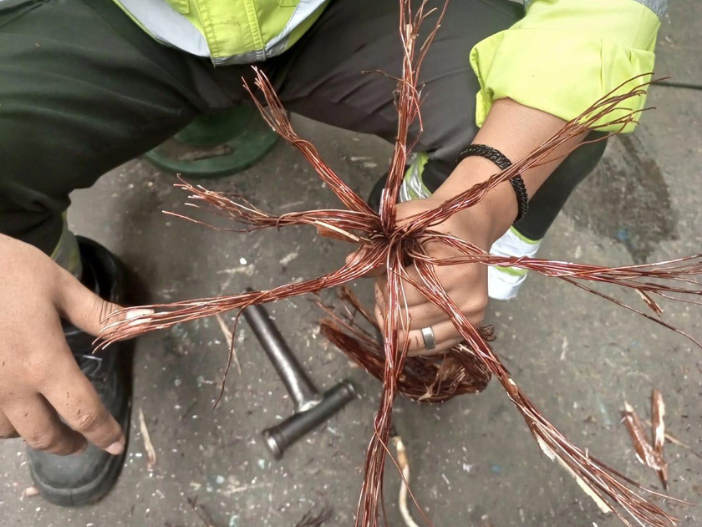
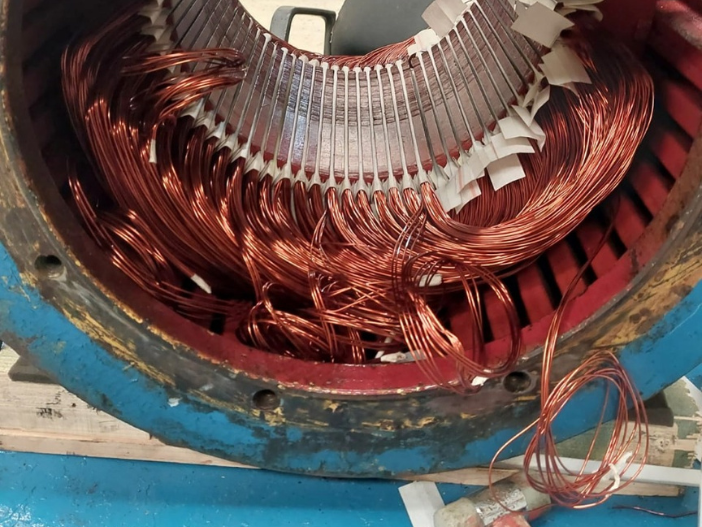
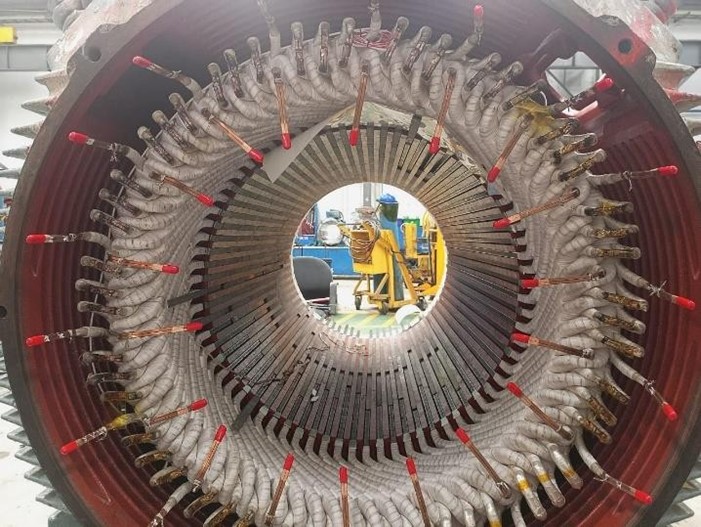
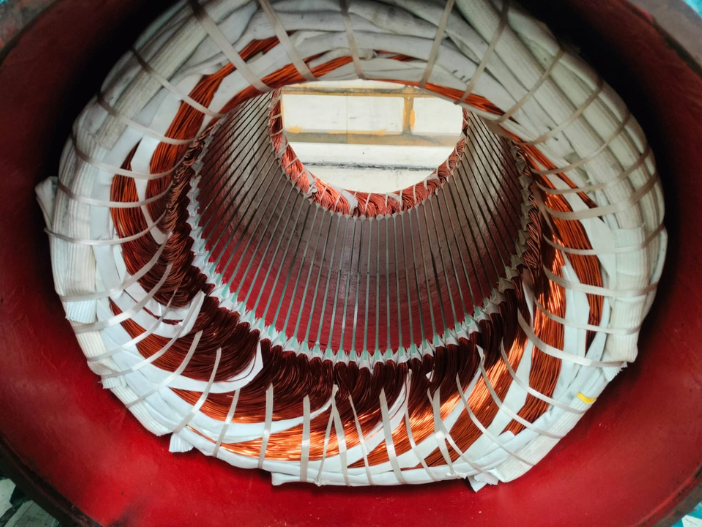
Rewinding is replacing damaged wire coils with new wire coils so that the motor can move again. The cause of a damaged motor could be due to fire, breakage, or the motor being old. Mostly the stator is rewinding, but the rotor can also be rewinded if there are indications that the wire/copper windings are damaged and the rotor is not moving.
Overhaul
Overhaul is carrying out maintenance on a machine, be it a motor or a drive. On motor, bearing lubricant is usually replaced and reinsulation is carried out. Namely, the insulation resistance is increased again so that the coil of wire can last a long time and the motor can work more optimally again, then the damaged part is replaced with a new part.
Balancing
Balancing is the process of reducing excessive vibrations that can damage the bearings, other components, and decrease motor efficiency. With proper balancing, the motor will operate more smoothly, more efficiently, and have a longer lifespan.
to electric motors or other machinery.
Rebushing
Rebushing is the process of repairing the bushings or bearings on a motor or machine to reduce friction and extend the lifespan of the components. Regular rebushing helps maintain optimal performance and reduces the potential for greater damage to electric motors or other machinery.
Taking Data
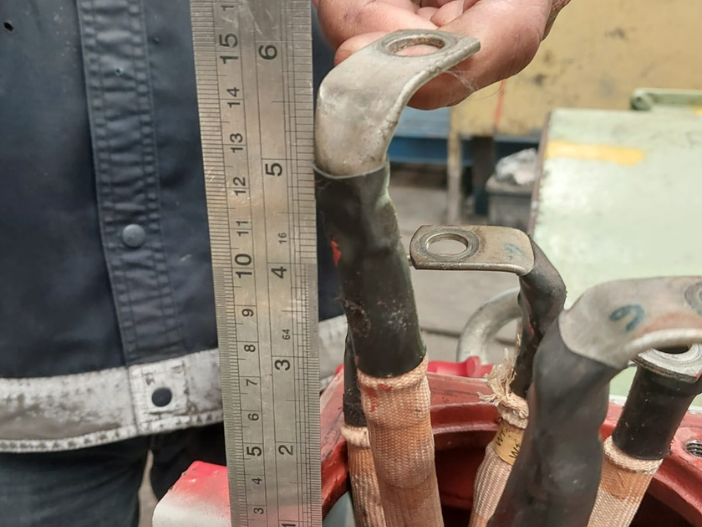
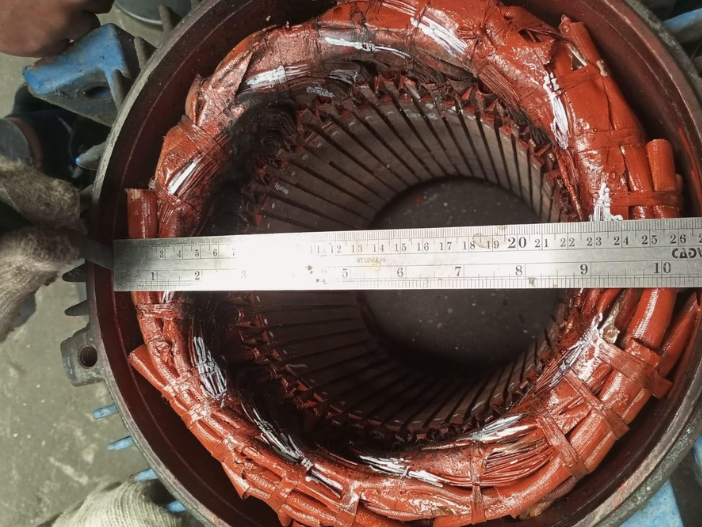
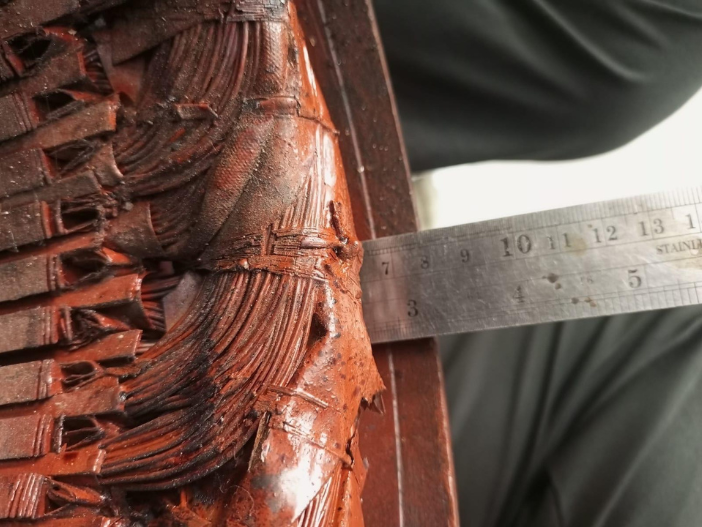
Determine winding data for a three phase stator, including connection, turns, span(s), wire sizes, poles, and grouping; and core and coil dimensions. It is important that the new winding data match the original so that the motor produces the same performance characteristics (e.g., horsepower or kilowatt rating and speed) as prior to rewind, and that the energy efficiency rating is maintained. Further, it is important to note that some of the critical data cannot be determined later in the winding process. For example, if the turns are not counted correctly, they cannot be determined after disposing of the removed winding.
be saved
performing core tests before and after winding removal. Also, by performing the core testing, the student will have a higher level of confidence that the stator core is in satisfactory condition for rewinding.
Core Testing
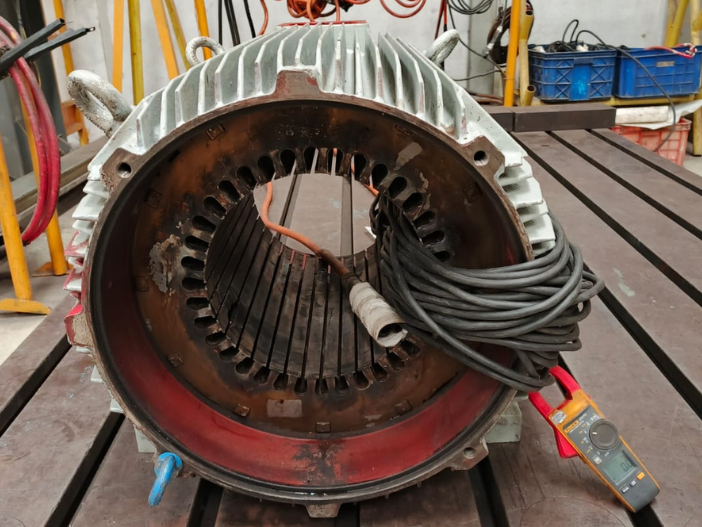
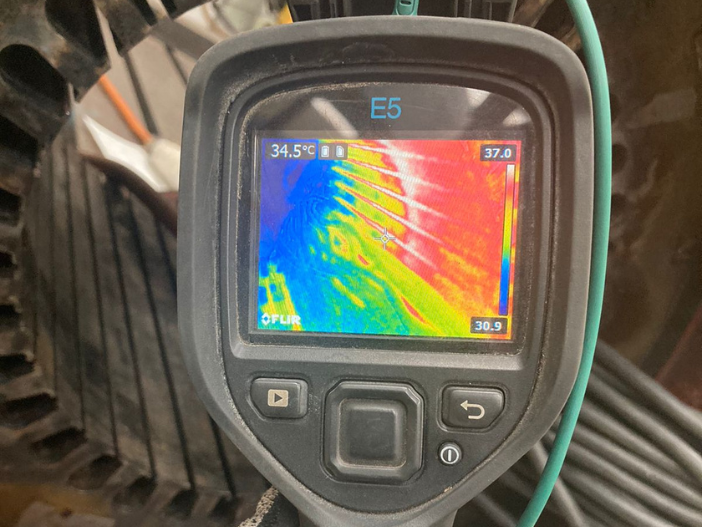
Core Testing, the main objectives are how to perform a core test using two different methods, and the materials and equipment needed. Another primary objective is recognizing the importance of, and how to evaluate, the results of core testing. A properly performed core test can detect core degradation prior to rewind. To achieve that, the core should be tested before and after the burnout process. The key here is to avoid inserting a new winding into a defective core, then having to repair the core and repeat the rewind process, or worse, having to scrap the stator core. After performing some core tests, the student should have a better understanding of how much time and potential cost can be saved by performing core tests before and after winding removal. Also, by performing the core testing, the student will have a higher level of confidence that the stator core is in satisfactory condition for rewinding.
Coil Cutoff
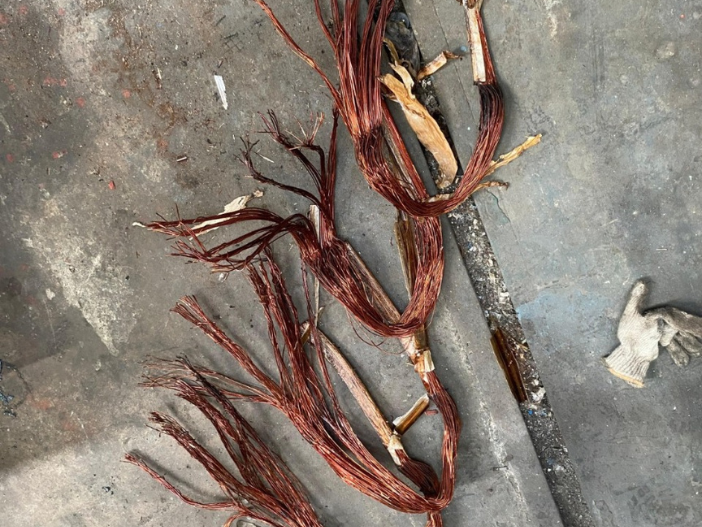
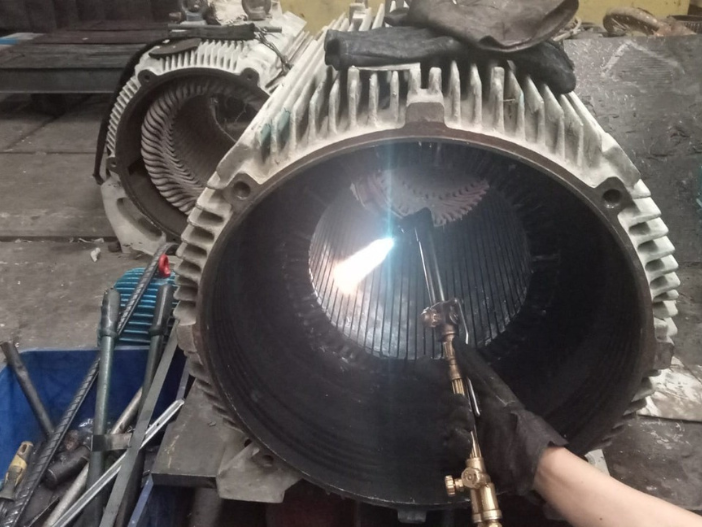
Essentially the idea is to cut the copper wire, not any other metal part of the stator, and to do it in a manner that does not harm the stator or the person performing the task. Proper cutting of the coil extensions also reduces time and effort when pulling the coils out. than simply controlling the chamber temperature. Proper operation includes understanding how the oven maintains the desired temperature, as well as correctly loading the oven to ensure uniform heat distribution and optimal results.
Burnout Procedures
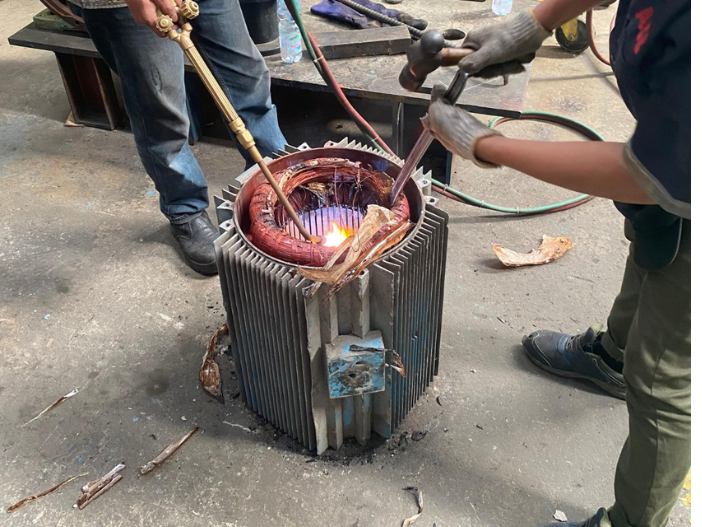
The burnout oven operates in a temperature-controlled manner to break down winding insulation, facilitating winding removal. A key aspect of the burnout process is recognizing that controlling the temperature of the part itself is much more critical to the process than simply controlling the chamber temperature. Proper operation includes understanding how the oven maintains the desired temperature, as well as correctly loading the oven to ensure uniform heat distribution and optimal results.
Winding Stripping Procedures
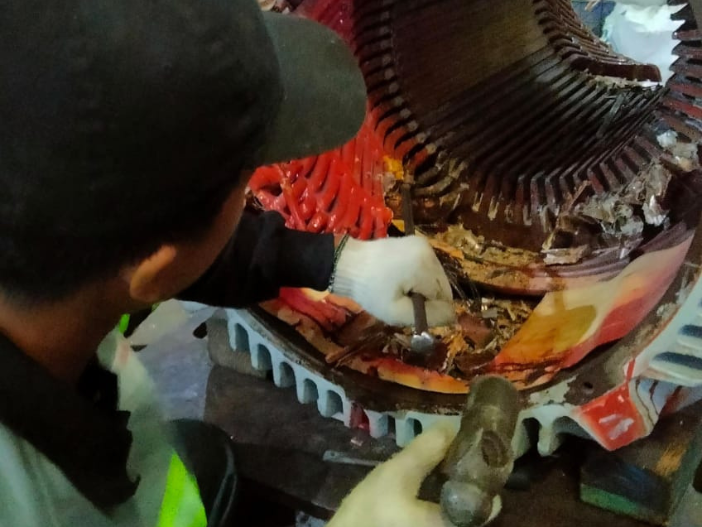
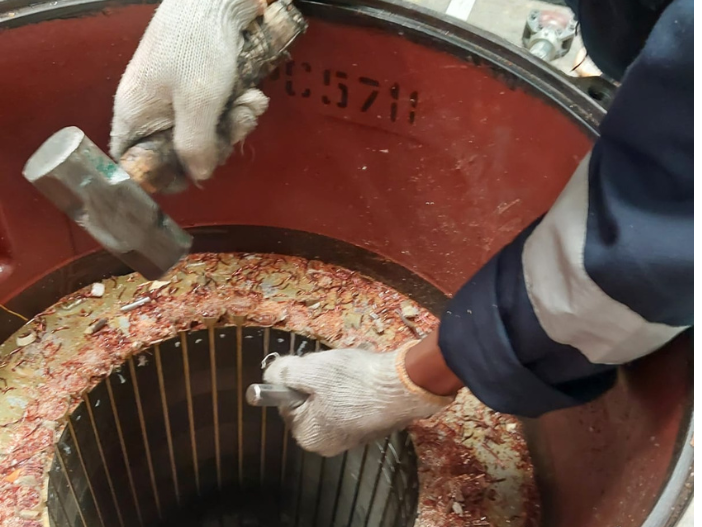
Using appropriate winding removal methods and equipment ensures the old winding is removed safely without causing damage to the stator core. Since stripping methods and equipment can vary, specific instructions should be provided based on the procedures and tools used in the service center. Closely associated with winding stripping is data collection, as much of the critical data such as connections, turns, spans, wire sizes, poles, and grouping is obtained during the stripping process. the student to calculate the before versus after parameter comparisons. and analyze the before-and-after parameter comparisons.
Core Preparation
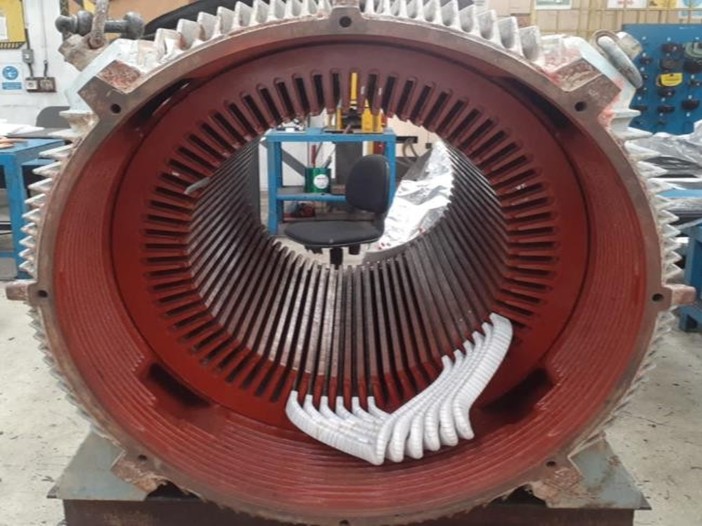
After the removal of the windings and insulation, the bare core must be prepared for winding insertion. Key objectives in core preparation include cleaning, inspecting, and preparing the bare core, as well as repairing any lamination damage or defects. This step ensures that the core is in satisfactory condition before actual rewinding and is closely associated with core testing procedures. The prepared core is tested to verify that core losses have not increased by an unacceptable amount compared to the initial core test. The repeated core test provides an opportunity to calculate and analyze the before-and-after parameter comparisons.
Coil Making
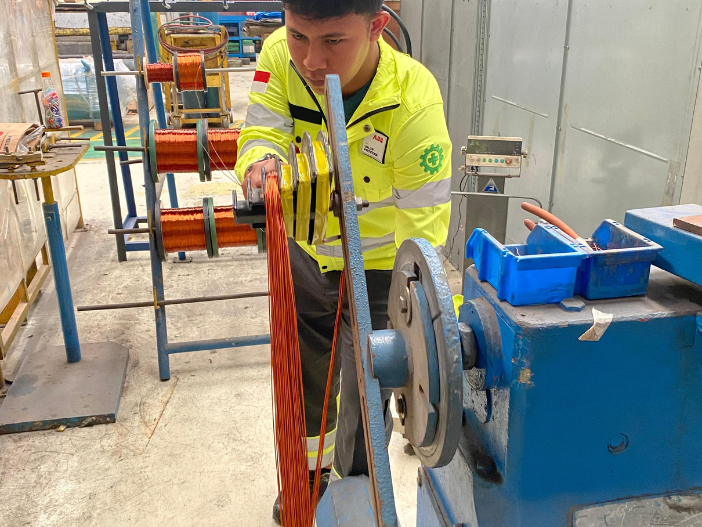
The first step in actual rewinding is coil making, which involves creating new coils from magnet wire and other materials. The primary objectives of coil making include identifying the required materials, tools, and equipment, as well as learning how to create random-wound coils to be installed into a three-phase stator core. The new coils must have the same number of turns and wire area as the original winding, along with matching physical features such as coil extensions. Since coil-making equipment can vary significantly, specific instructions should be provided on the use of the coil winding equipment in the service center.
Winding Insulation and Coil Insertion
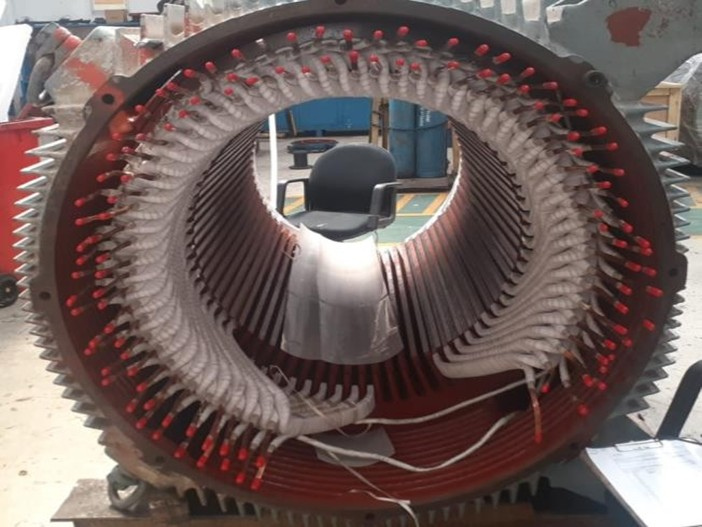
Having made new coils, they need to be inserted into the core, bringing up the next step, Winding Insulation and Coil Insertion. The objectives of this lesson are to be able to determine the materials and tools needed; and how to install random-wound coils into a three-phase stator core. There are actually multiple steps in this process, dealing with insulating and inserting. The slots are insulated, then coils inserted, followed by insulating between coils. The student will also learn how to recognize a properly inserted set of coils.should provide the student with specific instructions on the use of the coil winding equipment in
Internal Connections
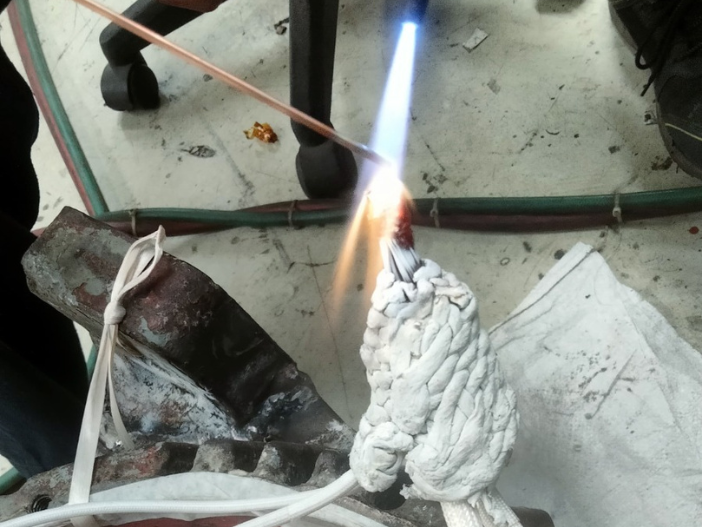
Even though the winding coils have been made and inserted correctly, the winding will not perform properly if it is not connected correctly. This is accomplished in the next step, Internal Connections. In addition to requiring physical accuracy and attention to detail, the student will learn the steps necessary to “lay out” and verify the accuracy of the connection. Critical objectives of this lesson are how to identify and lay out winding connections, and the procedures for actually connecting the winding.
Lacing and Bracing of Windings
The inserted winding coils should be snug in the slots, but will need reinforcement to reduce the tendency to move or shift. Varnish treatment and curing will do much to make the winding more rigid; however, there is another key step to be used to reinforce winding coils. That is Lacing and Bracing of Windings, with the main objectives being to make the winder proficient in the methods, materials and procedures for lacing and bracing of windings.
Inspection of Untreated Windings
This step is essentially irreversible. That is, the treated winding cannot easily be modified if, for example, the connection is incorrect or there is a ground fault. Therefore the next steps in the winding sequence are to inspect and to test the untreated winding. The primary objective of Inspection of Untreated Windings is how to properly inspect and evaluate an inserted and untreated three-phase random winding for defects or imperfections.
Testing Untreated and Treated Windings
Following inspection the companion critical objectives of Testing of Untreated and Treated Windings are how to perform and evaluate testing of untreated, and of treated, three-phase random windings. The student receives information on the applicable tests, how to perform them, and how to evaluate the results. to properly inspect and evaluate an inserted and untreated three-phase random winding for defects or imperfections.
Winding Treatment
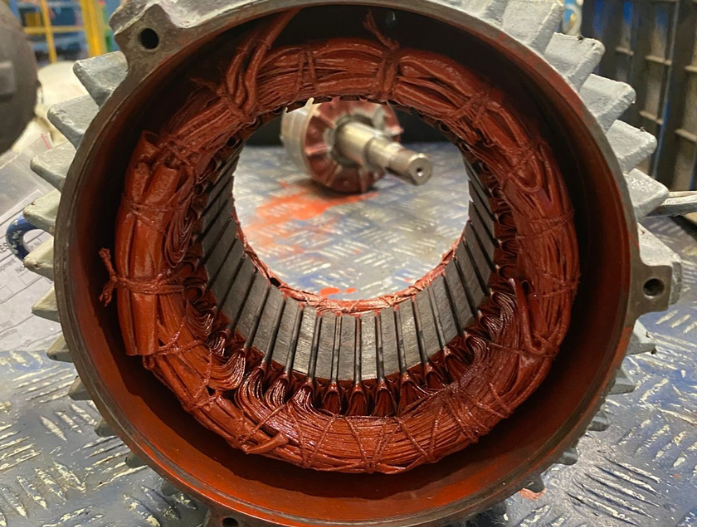
Following inspection and testing of the untreated winding we move on to the final step in the winding process, Winding Treatment. This step is crucial to providing a winding with good heat transfer, high bond strength, and protection against contamination. The key objectives of Winding Treatment are to make the winder knowledgeable and proficient in the equipment and materials to varnish treat and cure windings; and the methods and procedures to varnish treat, cure and evaluate the finished three-phase random winding.